1137 5:55

Polish-American Sisters Cook Up Pierogi Profits

When two sisters move from their small hometown to Boston, they discover a “pierogi void”—then fill it with cheese and potatoes.

5:55

Subscribe Now For A Free Five Step Tutorial

Get a free five-part email course that shows you how to find, validate, and launch your side hustle idea — no experience required.

What It's About

Two sisters use their pierogi-tive to share their beloved Grandfather's recipe with others.

Business Model
Product
Skills Required
Cooking & Marketing
Complexity
Medium
Profit Potential
Medium

Words of Wisdom

When you need help, look for a way to provide value to someone else! When Vanessa and Casey needed to find a kitchen in order to get their retail permit, they helped another small business make a little extra money.

Fun Fact

Paula Newby-Fraser, an Ironman triathlete and duathlete, adopted pierogi as her food of choice during the biking portion of 1989 Hawaii Ironman Triathlon.

Source: Mobile Cuisine: Pierogi Fun Facts

Notes from Chris

Episode 1137
Sisters Casey and Vanessa White grew up in Western Massachusetts, spending the ‘90s working alongside their grandfather to make fresh pierogies for his Polish food store. Pierogies are filled dumplings of Central and Eastern European origin, made by wrapping unleavened dough around a savory or sweet filling and cooking in boiling water, or sometimes pan-frying.

When Casey and Vanessa weren’t making the pierogi, the dish was also a staple at their family dinner table.

After the sisters got to college in Boston, they realized they had taken so much for granted. Beantown was pierogi deprived! When their mom would visit, she would hand-deliver amazing, homemade pierogies, much to the envy of their new friends.

The siblings knew that if anyone was going to do something about the “pierogi void” in Boston, it would be them! They began to cook in Vanessa’s kitchen. Those friends became loyal test subjects, who would fill out forms after they tried the dumplings to give the sisters feedback.

After about six months, Casey and Vanessa had perfected their recipe. They decided to start selling their delicious dumplings at local farmers' markets—but before they did that, they needed to get a retail permit. To do that, they had to find a professional kitchen to cook their pierogies in so they could get approval from a health inspector.

They weren’t sure what to do. The sisters weren’t ready to invest the money into opening up an industrial-style kitchen … so it was time to get creative.

They began to search for a store that had a day or two a week that they weren’t using their kitchen. They figured that they—the aspiring pierogi chefs—could provide another small business with an opportunity to make a little extra money, all while solving their own problem.

So, they contacted a local butcher shop that didn’t use their kitchen on Sundays to see if they could pay to rent it out. Their hunch was right! The butcher shop agreed, and Casey and Vanessa got their license.

With that, the women began to prepare for their first Farmers Market. They rented out the kitchen for $125, then cooked close to 300 pierogies. They froze them, and the following Saturday showed up to the Farmer’s Market with fifty boxes full of six pierogi each.

They set up their booth, which they decided to call “Jaju [jaw-jew] Pierogi” after the phonetic pronunciation of “grandfather” in Polish—and completely sold out all fifty boxes within the first hour, at a price of $8/box.

As time went on, they ended up investing in their own 3,000 sq. foot kitchen. With that, their production skyrocketed. They now make an average of 12,000 pierogies a week, which they sell at over 100 specialty stores around New England.

As for what’s next? The sisters have two words: more pierogies. They plan to keep Jaju Pierogi going for as long as they can.


MENTIONED IN THIS EPISODE:
  • Learn more about Casey and Vanessa's business at their website, JajuPierogi.com.
  • Casey and Vanessa relied on social media to grow their business. Follow Jaju Pierogi on Facebook and Instagram.
SEE ALSO: Inspiration is good; inspiration combined with action is better. Now get back to work!

Yours in the revolution,

cg-sig-newsletter
Quote of the Day
"Constant learning (ignorance is bliss), carrying on a tradition, and keeping our grandfather's name alive have been the best part of this hustle."
—Casey and Vanessa #SideHustleSchool

Read the full transcript

This transcript was generated from the episode audio and may contain minor errors.

[Music]

Let's talk about family heritage. What is special about yours? For a lot of people, food is something closely connected to culture and heritage. Did you eat certain foods that were normal to you as a kid, but later you realized not everyone was familiar with them, or not everyone had access to them. Now, me personally, I grew up eating at fine restaurants, including Burger King and Taco Bell.

So unfortunately, I didn't have a lot of exposure at a young age to different foods. Fortunately, I made up for that later by going to every country in the world, including Poland, where the dish known as pierogi is especially popular. Pierogi are also found in other central and Eastern European countries, including Ukraine, Russia, and Romania. That's what you're gonna hear about in today's story. When two sisters move from their small hometown to Boston, they discover a pierogi void, and they fill it with cheese and potatoes.

It begins as a weekend project and is now a full-time business. The story is called "Polish American Sisters Cook Up Pierogi Prophets." [Music]

Sisters Casey and Vanessa White grew up in western Massachusetts, spending the '90s working alongside their grandfather to make fresh pierogies for his Polish food store. If you're not familiar, pierogies are filled dumplings of central and Eastern European origin. Made by wrapping unleavened dough around a savory or sweet filling, and then cooking them in boiling water, or sometimes pan frying. When Casey and Vanessa weren't making the pierogi, the dish was also a staple at their family dinner table.

After the sisters got to college in Boston, they realized they had taken so much for granted. Beantown was pierogi deprived. When their mom would visit, she would hand deliver amazing homemade pierogies much to the envy of their new friends. The siblings knew that if anyone was going to do something about the pierogi void in Boston, it would be them. They began to cook in Vanessa's kitchen.

Those friends became loyal test subjects who would fill out forms after they tried the dumplings to give feedback. After about six months, Casey and Vanessa had perfected their recipe. They decided to try selling their delicious dumplings at local farmer's markets. But before they did that, they needed to get a retail permit. And to do that, they had to have a professional kitchen to cook their pierogies in.

They weren't sure what to do. The sisters weren't ready to invest the money into opening up an industrial style kitchen, so it was time to get creative. They began to search for a store that had a day or two a week that wasn't using their commercial kitchen. They figured that they, the aspiring pierogi chefs, could provide another small business with an opportunity to make a little extra money, all while solving their own problem. They reached out to a local butcher shop that didn't use their kitchen on Sundays to see if they could pay to rent it out.

Their hunch was right. The butcher shop agreed, and Casey and Vanessa got their license. With that, the women began to prepare for their first farmer's market. They rented out the kitchen for $125, then cooked close to 300 pierogies. They froze them, and the following Saturday showed up to the farmer's market with 50 boxes full of six pierogi each.

They called their booth Jaju Pierogi after the phonetic pronunciation of grandfather in Polish, and completely sold out all 50 boxes within the first hour at a price of $8 a box. And that was all the confirmation they needed. Every week after that, they sold pierogies on Saturday, and then cooked a new batch for the following week on Sunday. This was their routine for a year. Finally got to the point where they couldn't grow their business anymore while working their full-time jobs.

They had more demand than they could keep up with, and knew it was time to take a leap. With the extra time, the sisters were able to dive into their business. They found more customers by being everywhere they could as often as they could. Casey and Vanessa attended more farmer's markets, went to festivals, and popped up at breweries. They were also active on Facebook and Instagram.

As time went on, they ended up investing in their own 3,000-square-foot kitchen. And with that, their production skyrocketed. They now make an average of, get this, 12,000 pierogies a week, which they sell at over 100 specialty stores around New England. They got their product on so many shelves simply by being persistent. They would drop off samples at stores and keep calling until that store either put it in order or told them to stop.

They've been able to sustain lives as pierogi pioneers, carrying on tradition, keeping their grandfather's name alive, and constantly learning. Meanwhile, customers get to hear about their Polish traditions and emotional ties to the food, while enjoying those delicious dumplings, of course. As for what's next, the sisters have two words, more pierogies. They plan to keep Jaju pierogi going for as long as they can. [Music]

Congratulations to the pierogi pioneers.

And listen, everything is solvable with the right product. If you have demand, if you have customer demand, you can figure out a lot of other problems. If you've got people who want what you are selling, then everything else is just a matter of logistics. So that's why that demand is so critical. Get the demand before you expand.

We've had several episodes where side hustlers have navigated the world of food inspections and commercial kitchens. It doesn't have to cost a lot of money. It doesn't have to involve a lot of risk. Here are three of them for you. Episode 422, private chef turns performance food into $30,000 a month hustle.

Number 599, 599, avocado queen earns $45,000 selling spreadable granola. And number 907, longtime friends cook tasty food for pop-up events. That last one is also about heritage. It features two friends, at least two friends, maybe three in Los Angeles who go into hustling together and eventually full-time business by providing their tasty heritage food to diners throughout the city. This week, we're talking about the roadmap to launch.

Everything you need to do to get your hustle out to the world. Inspiration is good. Inspiration with action is better. Today's show notes are at sidehustleschool.com/1137. 1-1-3-7.

If you've got a comment or question for the show, just come to sidehustleschool.com/questions. Thank you so much for listening. My name is Chris Guillebeau. This is "Side Hustle School." [Music]

- From the Onward Project.

Find your side hustle

Search 450 real case studies by income, difficulty, and business model. The Side Hustle Finder helps you skip the browsing and find ideas that actually match your situation.

Explore the Finder →
Side Hustle book
From the Host

Side Hustle: From Idea to Income in 27 Days

The step-by-step guide behind many of the stories on this show. Find your idea, validate it, and start earning — no experience required.

See all books →

Keep in Touch

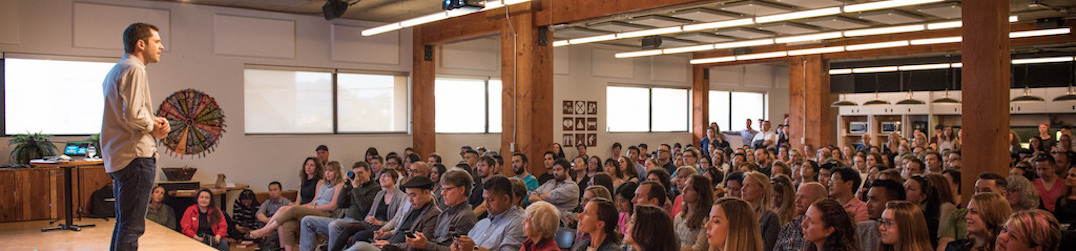
Chris Guillebeau speaking to a packed crowd

There's a new story every single day on Side Hustle School. Episodes are produced to be short and to the point — I know you're busy. Be sure you subscribe to get a weekly recap of each episode!

Email hello@chrisguillebeau.com
Say Hi From your favorite airport

To infinity and beyond,
Chris Guillebeau