This transcript was generated from the episode audio and may contain minor errors.
Hey everybody, are you ready to go shopping? This week's weekend workshop is all about creating a side hustle shopping list. And don't worry, first of all, if you hate shopping, we're not actually shopping, at least not like going to the store and shopping, and also nothing's for sale. So it's a little bit of a different kind of shopping list, and we'll get to it. But just by way of intro, this new segment, we've been doing it since the first week of January, weekend workshop comes out every Sunday. It's all about helping you learn the key steps to a new side hustle in 2025, one
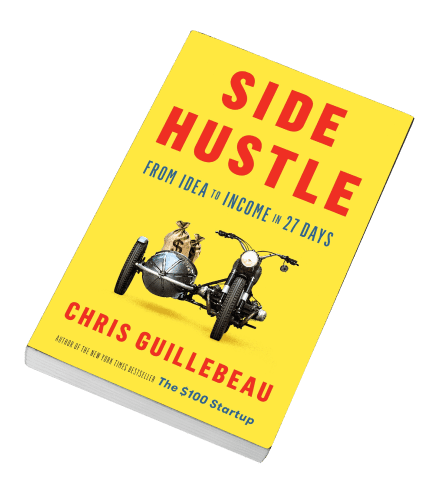
step or concept per week. It includes activities, examples, and more. And of course, it's all free. We'll be using the book side hustle from idea to income in 27 days. I'm going to take you through those key steps along with those listener stories and examples. And today's episode comes from day
13, which is in fact about that topic of creating a side hustle shopping list. Now when I say shopping list here, it's basically about everything that you need to launch your business, everything you need to identify and acquire any particular tools, resources, anything you need to sign up for and so on without overspending and without overcomplicating things. We really want to keep things as simple as possible. That's always our objective. So just imagine, like before you go on a trip, you need to pack the right supplies. Like if you're going on a camping trip, for example, you need your essential
gear, like a tent or a sleeping bag. You need basic supplies like food and water. And you need emergency items like a first aid kit. But I imagine you don't need every possible gadget or luxury items, just in case extras like those might be nice to have, but you don't actually need them. Okay, a lot of people pack too much. They're like wasting money and space on unnecessary tools,
unnecessary gear, or they forget the essential items. So of course, you want to kind of go somewhere in the middle. Now, starting a business is no different. Starting a business is just like this, you need a similar packing list. And so our goal here is to identify the true essentials while avoiding unnecessary purchases that train your limited budget. So essential categories
typically include any tools that you need to actually create your product or deliver your service. Like that's kind of essential, right? The basic technology for running your business, like a website, for example, and maybe something else, depending on what it is, any required supplies or materials, any systems for managing customers and money. So let's do an example. Let's say you're going to start a freelance design business. Well, your essential tools are a computer with
design software. There's a few different kinds of design software, of course, but you probably know what you need. If you're getting into that business, you might need cloud storage for files. You might need a Dropbox account or a Google account. You might need a basic accounting system of some kind.
And it might be good to have a portfolio website, like a website from Squarespace or WordPress or Wix or some other provider that chose some of your previous work. That's pretty much it in terms of essential. What is unnecessary right now, premium software subscriptions, office space, business cards, multiple monitors, you know, those things are fun to have. But they're not essential. So by focusing on the true essentials, you can start serving customers quickly without unnecessary expense. All right, so we have our goal here, a side hustle shopping list. Let's take a quick
break. And when we return, we'll make your side hustle shopping list one that is specific to you. Success comes from having the right tools, not the most tools. So let's create your essential supplies list. And here are four categories to consider as part of building the supplies list.
Number one, production tools. What do you need to create your product or your service? And as part of that, you might want to ask which tools are essential versus nice to have. If there are multiple options for these tools, ask yourself, can you start with basic versions? Like do you need the premium version? Can you in fact start with whatever is free or at least basic or low
cost? So you got production tools. Number two, business systems. How will you track customers? What's needed for bookkeeping? Which communication tools matter? Do you need to set up a new Slack
account, a new Teams account? Notion, Trello, and so on. Maybe one of those things is helpful, but you might not need all those things, right? What is the simplest way that you can keep up with customers, handle bookkeeping, and so on? Number three, marketing resources. What's required
to actually reach new customers? How will you showcase your work? Which platforms will you use? Again, focusing on keeping it as simple as possible. Choosing a couple of things rather than 10 or more things, like a lot of people try to do sometimes and then it doesn't work well.
And then lastly, financial tools. So I mentioned bookkeeping already, but here I'm actually thinking about how will you accept payment and where will you store business money? Like do you need a business bank account? That's always a good thing or usually a good thing to have. How will you accept payment? Where will you keep the money and what's needed for expense
tracking, if anything? All right, so production, business systems, marketing, financial tools, what do you need for your shopping list? And of course it's going to depend on what your specific idea is. Whatever kind of business you're going to start next, that will in turn dictate what your essential tools are. Okay, so we like to be action oriented around here. The notes page for every
weekend workshop includes an action exercise, site@solesco.com/workshop, or this is episode 3004. You can also find it that way on the site. And today's action exercise is to actually create your startup shopping list. List everything you think you need, mark items as essential or eventually, so eventually means not to worry about it right now, research the costs for essential items and create a quick little budget. And by doing this, along with some of the other exercises, we hope to actually get your side hustle out there, like not just in this dreaming stage or the ideation stage, but in the production stage of making it happen, the announcement stage, the marketing stage, which is what we're going to talk about in a lot of detail in some upcoming weekend workshops. So I encourage you to start with the minimum viable toolset. You can always
add more stuff as your business grows and as you're making money, which will then justify the expense. And last but not least, it's better to have a simple idea you can start immediately than a brilliant idea that never launches. Thanks for tuning into this week's weekend workshop. I'll be back next week with a new installment. And of course, every day in between with a new episode.
My name is Chris Guillebeau. You're listening to Side Hustle School. From the Onward Project.