770 7:55

Teacher Makes Money Asking Questions Outside the Classroom

A West Virginia high-school teacher hosts trivia night for extra income—then earns a share for other hosts who use his equipment.

7:55

Subscribe Now For A Free Five Step Tutorial

Get a free five-part email course that shows you how to find, validate, and launch your side hustle idea — no experience required.

What It's About

A teacher takes on trivia night!

Business Model
Service
Skills Required
Trivia Building & Organization
Complexity
Medium
Profit Potential
Medium

Words of Wisdom

If you want to become an entertainer, get comfortable in front of a microphone, work on your delivery, and get good at being in front of a crowd. Only then, do you buy your own equipment. You can always make arrangements to get the equipment you need as you get better (just like the two gentlemen in this story did!).

Fun Fact

There’s a lot we can learn from Brad, whether from his example or from one of his trivia games. Trivia games have been extremely popular, with several mobile trivia game apps consistently having more than 1 million players. Guess we are all a curious bunch!

Notes from Chris

Episode 770
Growing up, Pittsburgh native Brad Bonenberger always liked hosting events. In high school, he co-hosted his own Public Access TV show where he would give a bi-weekly recap of athletic events. When he attended West Virginia University, he joined the college radio station and became the play-by-play announcer for the women basketball team. After graduating, he took his talents to an award-winning radio station, where he worked as a DJ.

While Brad enjoyed his job, he decided to pursue a further degree in secondary education at his alma mater. This would give him the skills and experience to teach high school students, which is what he does now full-time.

But as he started his graduate studies, he needed extra money, so he moonlighted as a club DJ. During one of his gigs, Brad stopped by a club, which was coincidentally hosting a trivia night. Intrigued, Brad spoke to the host. He thought that this line of work could be especially suitable for him given his background. If it worked, it was also something he could count on each week, which was nice since his income at the time was sporadic.

As he left the club, Brad started formulating a plan to land clients who would hire him to host trivia nights. He started by reaching out to his contacts in the bar and restaurant industry. From there, he was able to get recommendations and the first few gigs coming his way.

Before long he’d achieved his goal of hosting trivia three nights a week, so he started wondering what he could do to scale up his business.

He had some good gigs, but as he says, “good is only good until you’ve had better.” He started climbing his way up to more established outfits. At one of these events, Brad started meeting players who wanted to know if they could get involved in trivia game hosting, especially since it looked fun and was profitable. One of them was willing to commit, so Brad thought about what he could do.

They ended up making a simple arrangement—his partner would secure his own gigs as an independent contractor while Brad would loan him all the equipment he needed for half of the revenue he made. Shortly after, Brad came across someone who was interested as well. At this point, not only was Brad making his full share of the 3 shows he hosted weekly, but also half of the revenue that the other two contractors made from their own shows.

As he gained more experience, he was able to gauge the type of questions that his audience would find compelling, and the manner in which they were asked. Becoming a better writer was essential to ensure that these questions were elegant yet witty, and Brad put in the work, researching and writing 60-75 trivia questions weekly. The average game he hosts accommodates about 8 teams and 55 players, but after getting better, Brad quickly found that he could host games with over 100 players easily. Although he had started out hosting the events at casual clubs and restaurants, Brad now has no issue delivering at weddings and corporate events as well.

From mics, mixers, and powered speakers, the list of equipment that one requires to host events can add up. Brad himself spent about $1,000-$2,000 initially to ensure that he could provide a good experience for his clients, and that has certainly paid off. He now charges a bar $150-$175 nightly, and a bit more for corporate events.

He’s proud to say he never cancels no matter how small the crowd is. He also hosts a customer appreciation day twice a year. He puts up a $1,000 prize purse for this game and teams up with local liquor reps to ensure that there would be merchandise for the raffle and prizes.

It’s a no pressure side hustle, and Brad is enjoying himself. As he says, quoting from a Beastie Boys song, “my job ain’t a job, it’s a damn good time.”


SEE ALSO: Inspiration is good; inspiration combined with action is better. Now get back to work!

Yours in the revolution,

cg-sig-newsletter
Quote of the Day
"Become comfortable in front of a microphone, work on delivery, and get good at being in front of a crowd. Then, buy your own equipment."
—Brad Bonenberger #SideHustleSchool

Read the full transcript

This transcript was generated from the episode audio and may contain minor errors.

[Music]

Hello everyone and welcome. This is Side Hustle School. I'm Chris Guillebeau. Today we have a return of trivia night. Trivia night strikes back, you might say.

We had a story a couple of weeks back about two guys who kind of grow and scale. A trivia night or a pub quiz business end up doing really well. Well today we got a story of just one person. This is a West Virginia high school teacher who hosts trivia night for extra income. And then he earns a share for other hosts who use his equipment.

So he has found a way to double up as well. After this story, we'll have a moratorium on trivia for a while, no more trivia themed episodes. But for now, to kick things off, I'm gonna give you three trivia questions. And then you'll get the answers, of course, at the end of the episode. So are you ready?

Question number one, how many legs does a lobster have? Question number two, what was the first country to give women the right to vote? And question number three, what was the title of the first Harry Potter book? That one's a bit of a trick question because there were actually two titles. But if you get either one, we'll call it good.

So stay tuned for those answers. And also, of course, the story. Teacher makes money asking questions outside the classroom. It's all coming up after this shout out to our sponsor. [Music]

Growing up, Pittsburgh native Brad Bonenberger always liked hosting events.

In high school, he co-hosted his own public access TV show, where he would give a bi-weekly recap of athletic events. When he attended West Virginia University, he joined the college radio station, became the play-by-play announcer for the women's basketball team. After graduation, he took his talents to an award-winning radio station, where he worked as a DJ. Brad enjoyed his job, but he decided to pursue a further degree in secondary education. That would give him the skills and experience to teach high school students, which is what he does now full-time.

But as he started his graduate studies, he needed extra money, so he moonlighted as a club DJ. During one of his gigs, the club was coincidentally also hosting a trivia night. Intrigued, Brad spoke to the host. He thought that this line of work could be especially suitable for him, given his background. If it worked, it would also be something he could count on each week, which would be nice since his income at the time was sporadic.

As he left the club, Brad started formulating a plan to land clients who would hire him to host trivia nights of his own. He started by reaching out to his contacts in the bar and restaurant industry. From there, he was able to get recommendations and the first few gigs coming his way. Before long, he'd achieved his goal of hosting trivia three nights a week. He didn't want to do it any more than that.

It was just a side hustle, but he wondered what else he could do to make more money without working harder. At one of his events, Brad met some players who wanted to know how they could get involved in hosting. They liked that it looked fun and was profitable. One of them was willing to commit, so Brad thought about what he could do. They ended up making a simple arrangement.

His partner would secure his own gigs as an independent contractor while Brad would loan him all the equipment he needed. They would split the income 50-50. Shortly thereafter, Brad came across someone else who was interested. Soon, not only was he making his full share of the three shows he hosted weekly, but also half the income that the other contractors were bringing in. Now, as always, not everything was easy or effortless.

Brad had always enjoyed entertaining people, but for trivia night, you have to turn up at events prepared with questions that the audience would like. At first, he simply read trivia questions off a set of trivial pursuit cards, but quickly found that this wasn't enough to hook his audience. As he gained more experience, he was able to gauge the type of questions that the audience would find compelling, and he adjusted his delivery, the manner in which they were asked. Becoming a better writer was essential to ensure that these questions were elegant yet witty, so Brad put in the work, researching and writing 60-75 trivia questions each week. The average game he hosts accommodates about eight teams and 55 players, but as he improved, he became comfortable hosting games with over 100 players.

He also began by hosting at bars and restaurants, but now has no issue delivering at weddings and corporate events as well. So what about startup costs? Well, from mics, mixers, and powered speakers, the list of equipment that one requires to host events can add up. Brad spent about $2,000 to ensure he could provide a good experience for his clients, especially once he had other people using the equipment, and that has certainly paid off. He charges a bar $175 for a night and a bit more for corporate events.

He's proud to say he never cancels a gig no matter how small the crowd is. He also hosts a customer appreciation day twice a year. He puts up a $1,000 prize purse for this game and teams up with local merchandisers to make sure that there are prizes for raffles. In short, it's a no-pressure side hustle and Brad is enjoying himself. As he likes to say, quoting from a Beastie Boys song, "My job ain't a job, it's a damn good time." [Music]

All right, answers to those trivia questions in just a moment.

I wanted to mention briefly the importance of soft skills. So soft skills are people skills or the ability to get things done, or facilitation or adaptation, the kinds of skills that are really important in work and life, but aren't necessarily taught at college or university or even in the workplace. If you enjoy speaking to groups, if you like making people happy, if you like being a host, if you can handle last minute changes, 'cause not everything goes according to plan with this kind of stuff when you're doing trivia night at a bar. Then this is the kind of side hustle that's good for you. And this is what we saw with Brad.

He always liked hosting events. He enjoyed it. He was a DJ, had some background. Conversely, or let's just say on the other hand, if you need everything to work as you expect it to, or if you're uncomfortable speaking to groups, if you can't roll with the punches when something changes, you don't like organizing parties and so on, then this would not be a good side hustle for you. I always think it's really important to think about that kind of stuff when you're trying to decide what kind of project should I pursue.

All right, and now those answers. First of all, how many legs does a lobster have? Well, a lobster has 10 legs. There you go, 10. Second, what was the first country to give women the right to vote?

That was New Zealand. Good job, New Zealand. And what was the title of the first Harry Potter book? The original title was Harry Potter and the Philosopher's Stone. When it was adapted for the US, it became Harry Potter and the Sorcerer's Stone.

So Philosopher's Stone, original title, Sorcerer's Stone, also acceptable. Congratulations to anyone who got all three of those right. I think I probably would have only gotten one if I didn't know the answers myself. So if you got more than that, you're better than me. Inspiration is good, but inspiration with action is so much better.

Today's show notes are at sidehustleschool.com/770. Thank you so much for listening. More is on the way, including a weekly recap coming up tomorrow. Once again, my name is Chris Guillebeau. This is "Side Hustle School." [Music]

From the "Onward Project."

Find your side hustle

Search 450 real case studies by income, difficulty, and business model. The Side Hustle Finder helps you skip the browsing and find ideas that actually match your situation.

Explore the Finder →
Side Hustle book
From the Host

Side Hustle: From Idea to Income in 27 Days

The step-by-step guide behind many of the stories on this show. Find your idea, validate it, and start earning — no experience required.

See all books →

Keep in Touch

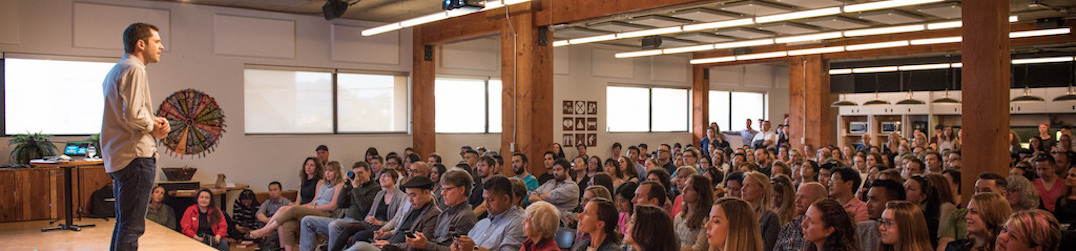
Chris Guillebeau speaking to a packed crowd

There's a new story every single day on Side Hustle School. Episodes are produced to be short and to the point — I know you're busy. Be sure you subscribe to get a weekly recap of each episode!

Email hello@chrisguillebeau.com
Say Hi From your favorite airport

To infinity and beyond,
Chris Guillebeau